

Top Six Horror Films of All Time
Horror is subjective.
But some films do more than scare — they redefine what fear looks like.
The movies on this list didn’t just entertain me. They altered my expectations of storytelling, atmosphere, and psychological dread. These films linger. They rot quietly in the back of your mind. They don’t end when the credits roll.
This list isn’t about jump scares or body counts.
It’s about impact.
1. The Exorcist
The gold standard.
This is the film that proved horror could be serious, restrained, and devastating. It doesn’t rush. It waits. It builds dread through faith, doubt, and inevitability.
What makes The Exorcist terrifying isn’t the demon — it’s the realization that belief, medicine, and love may still not be enough.
Horror grew up because of this film.
2. Hereditary
Grief, weaponized.
Hereditary dismantles you emotionally before it ever turns supernatural. It traps you inside a family already breaking — then reveals that the damage was done long before the story began.
This film taught modern horror how to be patient, cruel, and unavoidable.
There is no escape here.
Only inheritance.
3. The Babadook
A monster you don’t defeat — you endure.
The Babadook reframed horror as metaphor without losing its teeth. It’s about grief, depression, and the dangers of repression.
The most unsettling idea this film presents is simple:
Some monsters never leave.
They live with you.
That philosophy shows up constantly in my own work.
4. Halloween
Pure atmosphere. Pure dread.
John Carpenter stripped horror down to its bones and proved that silence, framing, and pacing could be more terrifying than gore.
Michael Myers isn’t scary because of what he does — he’s scary because of what he represents: something empty, patient, and unstoppable.
This film created the slasher — and did it with restraint.
5. The Witch
Slow. Unforgiving. Relentless.
The Witch feels less like a movie and more like an accusation. Isolation, religious paranoia, and generational fear suffocate every frame.
Nothing here is flashy. Everything is deliberate.
By the time horror fully reveals itself, it feels earned — and irreversible.
This film trusts its audience.
And punishes them for it.
6. Sinister
One of the most genuinely disturbing horror films of the modern era.
The home-movie sequences alone are more effective than entire franchises. Grainy. Detached. Emotionless. They feel real — and that’s the problem.
Sinister understands that true horror isn’t loud.
It’s observational.
It watches you.
Why These Films Matter
Each of these movies respects the audience.
They don’t explain everything.
They don’t rush the fear.
They understand that horror works best when it’s quiet, patient, and personal.
These films didn’t just scare me — they shaped the way I write, the way I build atmosphere, and the kind of stories I want to tell through Dark Hollow Media.
Final Thought
Great horror doesn’t ask “Did this scare you?”
It asks “Why can’t you stop thinking about it?”
These six films still haunt me.
And that’s why they matter.
Horror is subjective.
But some films do more than scare — they redefine what fear looks like.
The movies on this list didn’t just entertain me. They altered my expectations of storytelling, atmosphere, and psychological dread. These films linger. They rot quietly in the back of your mind. They don’t end when the credits roll.
This list isn’t about jump scares or body counts.
It’s about impact.
1. The Exorcist
The gold standard.
This is the film that proved horror could be serious, restrained, and devastating. It doesn’t rush. It waits. It builds dread through faith, doubt, and inevitability.
What makes The Exorcist terrifying isn’t the demon — it’s the realization that belief, medicine, and love may still not be enough.
Horror grew up because of this film.
2. Hereditary
Grief, weaponized.
Hereditary dismantles you emotionally before it ever turns supernatural. It traps you inside a family already breaking — then reveals that the damage was done long before the story began.
This film taught modern horror how to be patient, cruel, and unavoidable.
There is no escape here.
Only inheritance.
3. The Babadook
A monster you don’t defeat — you endure.
The Babadook reframed horror as metaphor without losing its teeth. It’s about grief, depression, and the dangers of repression.
The most unsettling idea this film presents is simple:
Some monsters never leave.
They live with you.
That philosophy shows up constantly in my own work.
4. Halloween
Pure atmosphere. Pure dread.
John Carpenter stripped horror down to its bones and proved that silence, framing, and pacing could be more terrifying than gore.
Michael Myers isn’t scary because of what he does — he’s scary because of what he represents: something empty, patient, and unstoppable.
This film created the slasher — and did it with restraint.
5. The Witch
Slow. Unforgiving. Relentless.
The Witch feels less like a movie and more like an accusation. Isolation, religious paranoia, and generational fear suffocate every frame.
Nothing here is flashy. Everything is deliberate.
By the time horror fully reveals itself, it feels earned — and irreversible.
This film trusts its audience.
And punishes them for it.
6. Sinister
One of the most genuinely disturbing horror films of the modern era.
The home-movie sequences alone are more effective than entire franchises. Grainy. Detached. Emotionless. They feel real — and that’s the problem.
Sinister understands that true horror isn’t loud.
It’s observational.
It watches you.
Why These Films Matter
Each of these movies respects the audience.
They don’t explain everything.
They don’t rush the fear.
They understand that horror works best when it’s quiet, patient, and personal.
These films didn’t just scare me — they shaped the way I write, the way I build atmosphere, and the kind of stories I want to tell through Dark Hollow Media.
Final Thought
Great horror doesn’t ask “Did this scare you?”
It asks “Why can’t you stop thinking about it?”
These six films still haunt me.
And that’s why they matter.
— John Keaser Jr.
Dark Hollow Media LLC
🎙️ Echoes in the Dark: Original Stories, True Hauntings, and Horror Genre Explored
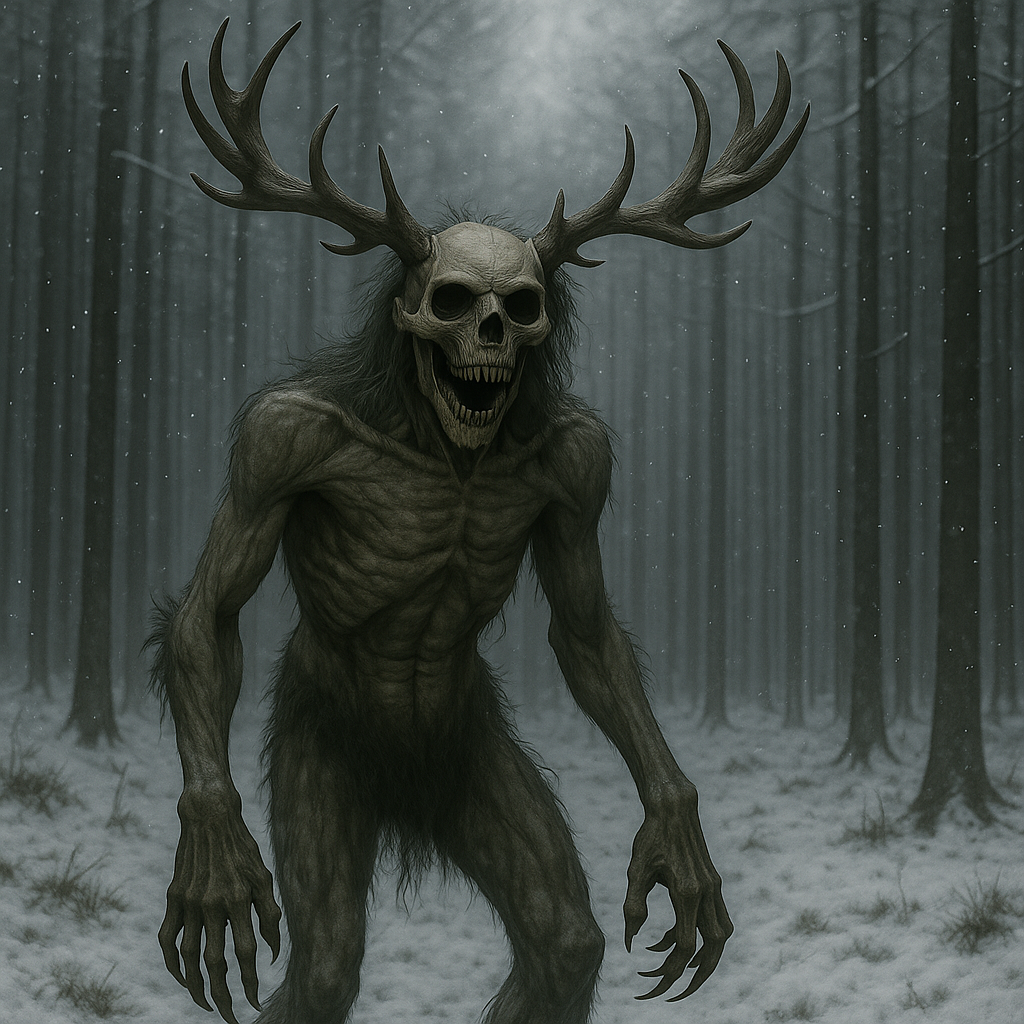
Winter Of The wendigo
Winter of the Wendigo: The Cold Season’s Most Terrifying Legend
Winter has always carried its own kind of fear. The early darkness, the stillness of the woods, the quiet stretch of cold nights where the world feels frozen in place. But for many Indigenous communities of the northern United States and Canada—particularly the Algonquin peoples—winter represents something far older and far more unsettling: the season of the Wendigo.
The Wendigo is one of the most enduring and chilling figures in North American folklore. Born from starvation, isolation, and taboo hunger, it’s a creature shaped not by imagination but by the harsh reality of deadly winters. When snow falls deep and supplies run thin, the Wendigo legend breathes its cold breath down the neck of anyone who wanders too far from the light.
What Is the Wendigo?
A True Wendigo Is Not What Hollywood Shows You
Most modern depictions show the Wendigo as a towering monster with a deer skull for a head. While visually striking, this interpretation drifts far from the original folklore.
In Algonquin tradition, the Wendigo is human—or at least, it used to be.
A Wendigo is created when a person resorts to cannibalism during life-threatening famine. The act corrupts the soul, twisting the body into something gaunt, frozen, and insatiably hungry. The creature becomes taller the more it eats, ensuring its hunger is never filled.
It is starvation without end. Hunger made into a living thing.
Why the Wendigo Belongs to Winter
The Wendigo is inseparable from the cold season. Historically, winters in the northern territories were brutal enough to trap families for months, isolate entire communities, and deplete food stores quickly.
Winter meant scarcity, darkness, desperation, and moral boundaries tested by survival.
The Wendigo was a warning against the unthinkable choices that might arise in these conditions. It wasn’t only a monster—it was a reminder of how fragile humanity can become when hunger, cold, and fear close in.
Signs of the Wendigo in the Forest
•Absolute Silence
• Strange Tracks in the Snow
• A Voice Calling Your Name
• The Feeling of Being Watched
• Sudden, Overwhelming Hunger
The Wendigo as a Cultural Warning
Beyond its horror, the Wendigo serves as a moral and cultural boundary. It represents greed, consumption without restraint, the breakdown of community in times of hardship, and what happens when one life is taken for another’s survival.
Why the Legend Still Haunts Us
Even with modern heating, grocery stores, and highways, the Wendigo story endures. Winter still isolates. Winter still quiets the world. Winter still changes the way we think and feel.
There’s something primal about a season that strips the earth bare and forces us inward. When the nights grow long and the woods grow silent, it’s easy to understand how the Wendigo’s shadow still stretches across the snow.
In the End, Winter Makes Its Own Monsters
The Wendigo is more than a creature. It’s a reflection of what extreme desperation can do to the human spirit.
Whether you treat it as folklore, metaphor, or a chilling campfire tale, the Wendigo remains one of winter’s most powerful—and terrifying—figures.
As the temperatures drop and the forests grow quiet, remember: Not all monsters sleep in the snow. Some are awakened by it.
— John Keaser Jr.
Dark Hollow Media LLC
🎙️ Echoes in the Dark: Original Stories, True Hauntings, and Horror Genre Explored